Broken Clover Tattoo · Tucson
Animal & Creature Tattoos in Tucson
Birds, insects, dogs, snakes, wildlife, strange little beasts, and fantasy creatures — built around the way you want the animal to feel, not just what species it is.
Animal tattoos are a subject, not one style
The subject is the animal. The style is the decision.
A cardinal can become a soft watercolor piece, a wasp can become dark illustration, a jackalope can feel graphic and strange, and a caterpillar can live inside a bright botanical composition. The right artist depends on the treatment you want as much as the animal itself.
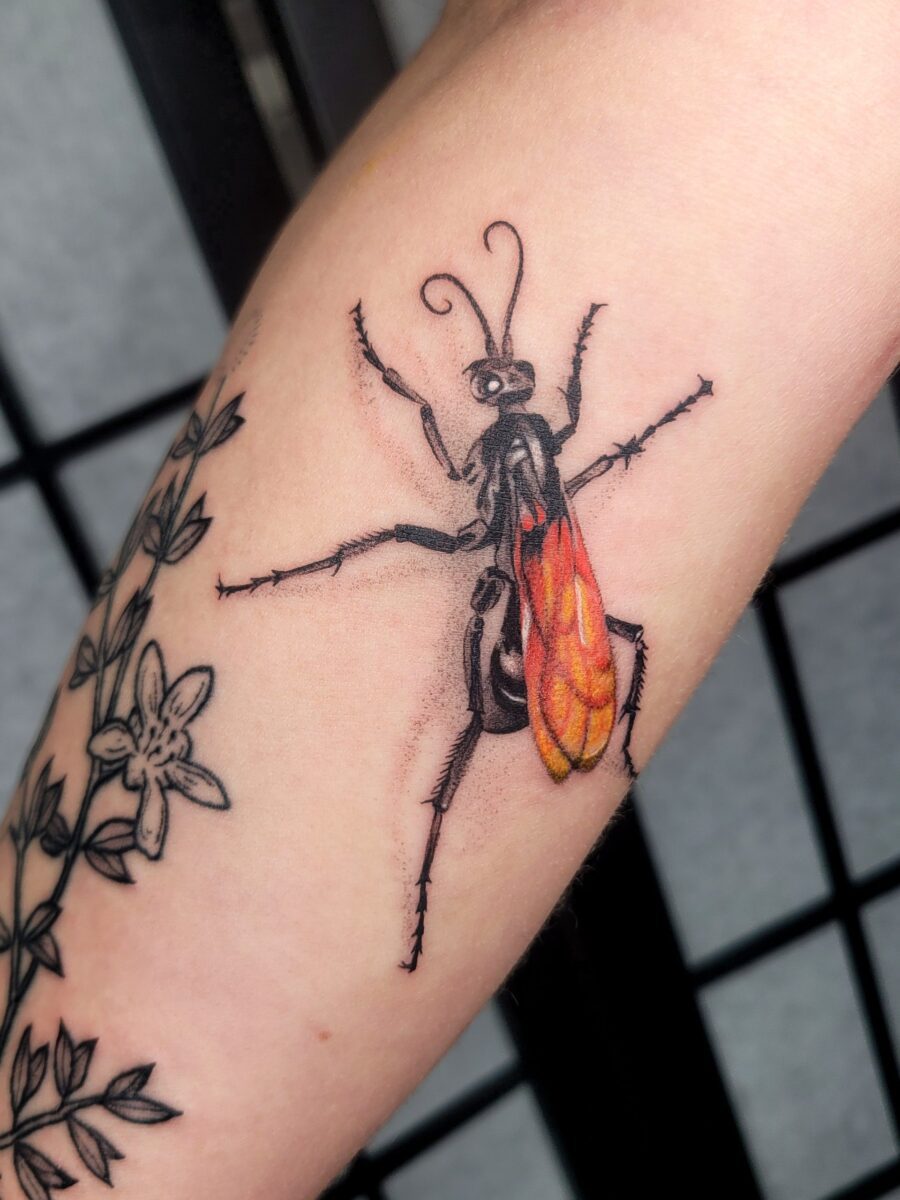
Jasmine
Jasmine is a strong route for insects, strange animals, expressive creatures, and animal imagery that leans whimsical, dark, or story-driven.
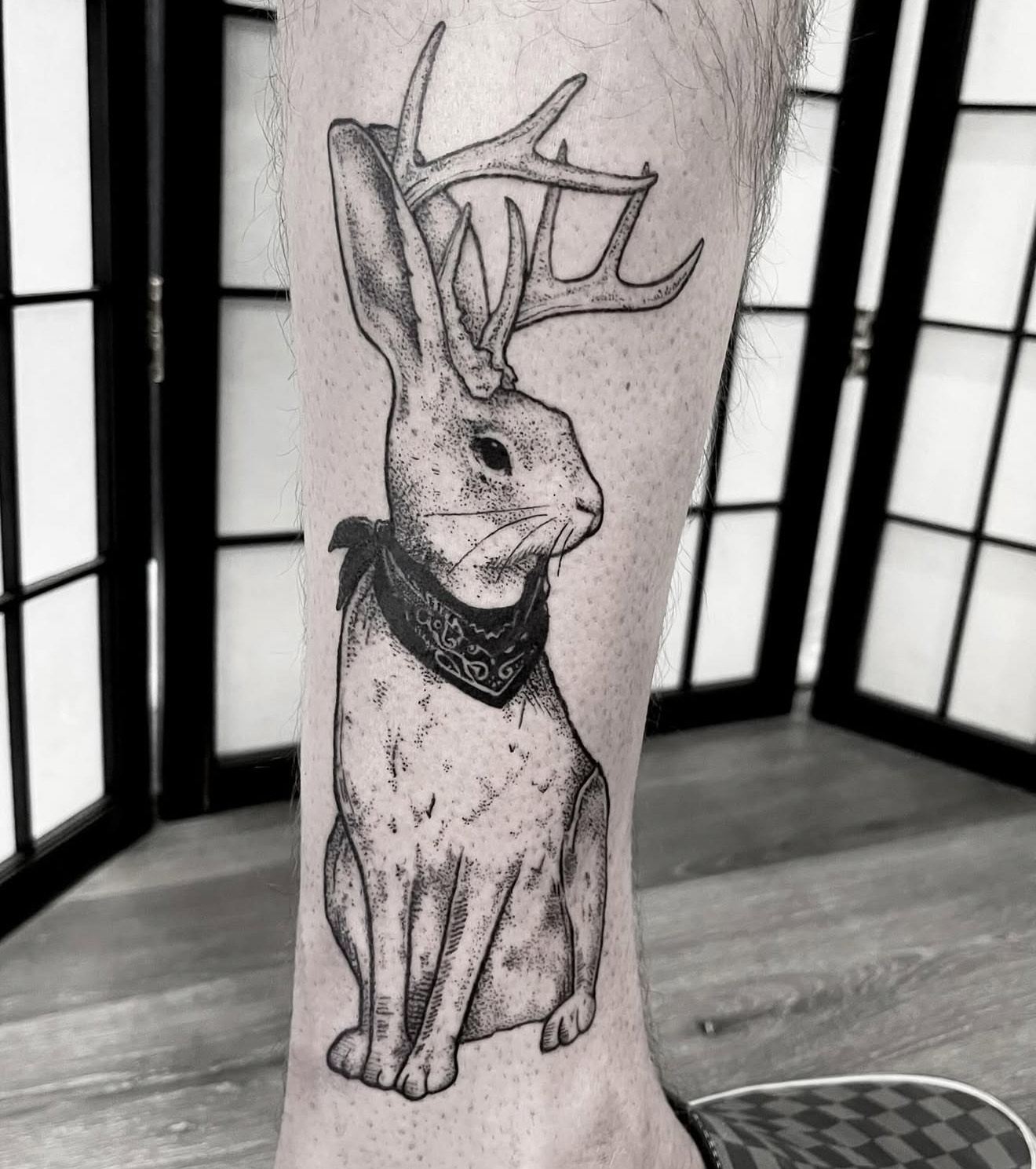
Danae
Danae’s line-driven work fits animals that need graphic shape, fine blackwork, dotwork, manga influence, or a slightly odd little personality.
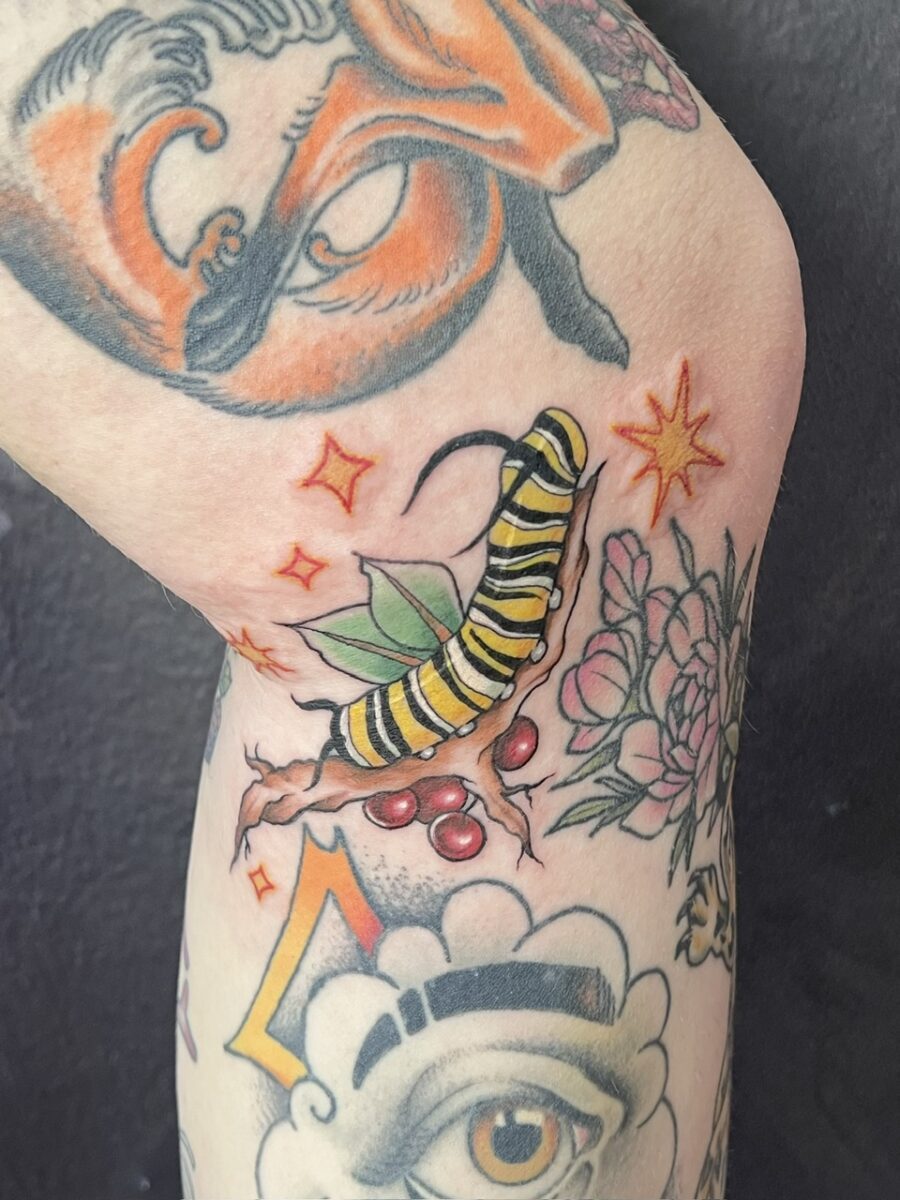
Shawna
Shawna’s portfolio supports colorful insects, birds, desert life, and nature-based tattoos where the creature and its botanical setting work together.
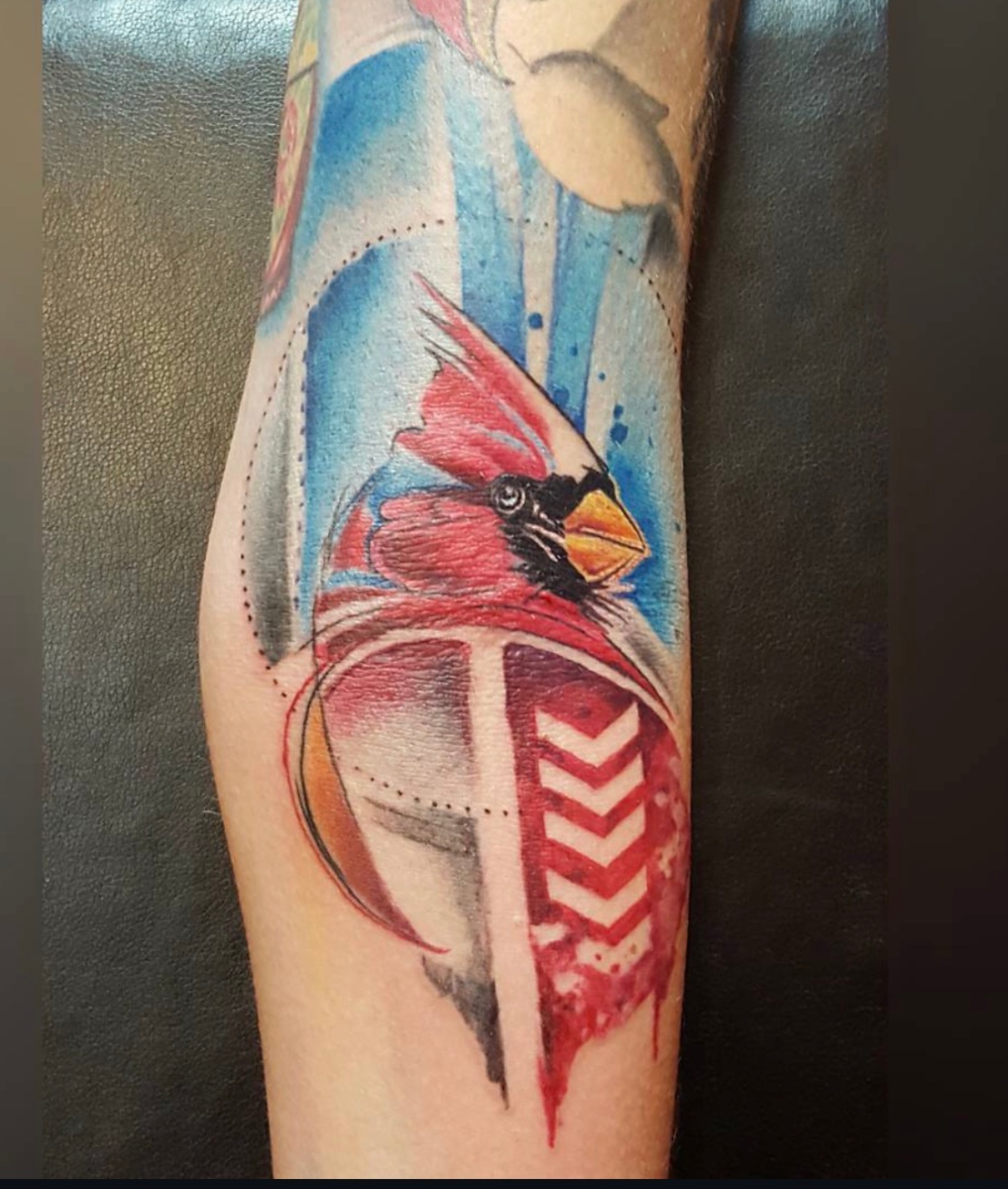
Jinx
Jinx can push animal subjects toward painterly color, expressive portraiture, or exaggerated illustration instead of treating every creature as strict realism.
Planning the tattoo
Choose the treatment before the species.
Likeness & Portrait
If the goal is to capture a specific face, expression, or recognizable animal, clear reference photos matter. Start with our Portrait Tattoos Tucson guide.
Illustrative & Stylized
If you want the animal reinterpreted through drawing, shape, character, or fantasy, compare the routes in Illustrative Tattoos Tucson.
Blackwork & Line-Driven
Insects, snakes, skulls, silhouettes, and graphic creatures can work beautifully in black. See Blackwork Tattoos Tucson for the darker route.
Painterly Color
Feathers, movement, atmosphere, and bright natural color can shift an animal away from realism. See Watercolor Tattoos Tucson.
Pets, wildlife, insects, and invented creatures all need different references.
For a pet or other specific animal, bring several clear photographs instead of relying on one favorite image. Different angles help the artist understand markings, proportions, ears, eyes, and the details that make that animal recognizable.
For wildlife or insects, references can be more about anatomy, pose, feather or wing structure, and the environment around the subject. For fantasy creatures, references are useful for mood and anatomy even when the final animal does not exist.
Not sure who should tattoo the creature?
Compare the portfolios by treatment — realistic, illustrative, dark, delicate, graphic, or painterly — then use Zoltar if you want help narrowing the fit.